Deadly Signs of the Past

What a Notched Incisor Reads to a Forensic Examiner, Why Victorian London Was the Ideal Incubator for a Disease Nobody Talked About, and How We Arrived at a World Where a Course of Penicillin Costing Less Than a Cup of Coffee Still Does Not Reach Every Pregnant Woman Who Needs It
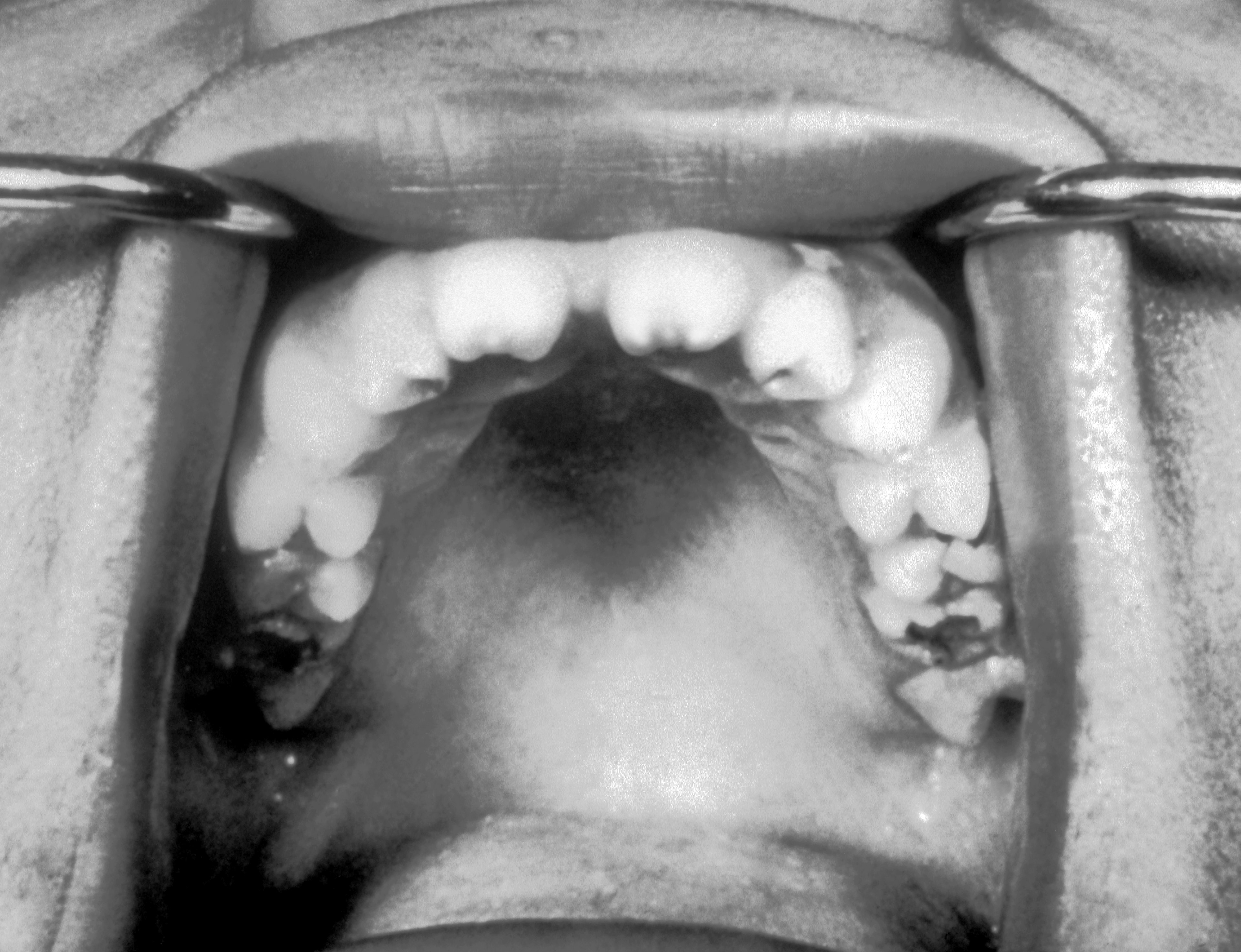
The skull arrived from a London-area excavation without provenance documentation beyond a site reference number and a depth notation in millimeters, which is more information than some collections provide and considerably less than forensic work prefers. What I noticed first, before the vault sutures and before the orbital morphology and before any of the other features that constitute a systematic skeletal examination, were the upper central incisors. Narrowed at the free edge rather than at the crown, with a central semi-lunar notch at the incisal margin where the median lobe of the tooth tip had failed to develop fully, and with the slightly convex, worn appearance of a tooth that had been doing its job for several decades while carrying from birth the evidence of what had been done to it before birth. Jonathan Hutchinson described these teeth in 1858 at the Pathological Society of London (Hutchinson, J., 1858, Transactions of the Pathological Society of London, 9, 449-456). I recognized them 166 years after that description with the same lack of dramatic uncertainty that attends the recognition of any finding you have seen enough times. There they were. A child born with syphilis, who had survived into adulthood, and whose permanent teeth had carried the prenatal record through whatever years followed, through death, burial, and decomposition, to this examination table in the 21st century, where someone finally read what had been written in enamel before the child had taken a first breath.
This is the particular quality of Hutchinson's teeth that makes them useful beyond their clinical diagnostic function: they are the most durable element of a syndrome whose other components, interstitial keratitis and sensorineural deafness, leave no skeletal record. The cornea clouds and clears with death. The cochlear damage that the eighth cranial nerve carries to its end dissipates with the soft tissue. But the notch in the incisor survives fire, water, acid, bacterial action, and time in a way that makes it, in the forensic and archaeological record, the entire Hutchinson triad reduced to its most permanent form. When the skull is all that remains, the teeth tell the story that the rest of the body no longer can.
The Physician Who Noticed What Everyone Else Had Seen
Jonathan Hutchinson was born in 1828 in Selby, Yorkshire, trained as a surgeon, and became, over the course of a career centered on the London Hospital, something that would today be called a polymath with a subspecialization problem: he published authoritative work in ophthalmology, dermatology, surgery, neurology, and syphilology, often simultaneously. His approach to congenital syphilis was systematic in the way that the best 19th-century clinical observation was systematic, meaning he gathered cases methodically, examined them carefully, and refused to stop noticing things until the things he had noticed cohered into something usable. The dental observation came first, presented to the Pathological Society of London in 1858 as a finding about what syphilitic infection during fetal development does to the permanent upper central incisors. By 1863, he had expanded the clinical picture to the full triad that carries his name: the characteristic dental deformity, interstitial keratitis as the bilateral inflammatory corneal process that can progress to blindness, and labyrinthine disease producing the irreversible sensorineural deafness through damage to the eighth cranial nerve.
Hutchinson was knighted in 1908, the same year that Paul Ehrlich received the Nobel Prize for the immunological work that would shortly lead to the first specific chemotherapy for the disease that Hutchinson had spent a career documenting. The synchrony is historically pleasant, if entirely coincidental: the man who spent decades describing what congenital syphilis does to developing tissue honored in the same year as the man who was about to discover how to stop Treponema pallidum from doing it. One photographs the ruin; the other finds the intervention. Both are necessary, and both arrived at the Nobel level for their contributions, though Hutchinson had to wait until 1908 for his knighthood while Ehrlich received his prize the same year. The bacterium, for its part, waited for neither.
The clinical precision of the triad deserves a moment's consideration, because it illustrates something important about what forensic examination of historical skeletal material can and cannot determine. Interstitial keratitis leaves no skeletal trace. Sensorineural deafness leaves no skeletal trace. The notched incisor, as noted, survives centuries. When I examine a skull with Hutchinson's teeth, I know that this individual was born with syphilis, that the prenatal infection disrupted the ameloblasts during the calcification of the permanent upper central incisors in the first year of life, and that the adult dentition bore the record of this disruption permanently. I do not know whether the keratitis developed, whether the hearing was lost, whether the child was treated with anything, or whether anyone in the household that produced this child understood what they were looking at. The teeth tell me what they can. The rest is silence.
What Treponema pallidum Does Before Anyone Names It
Congenital syphilis results from vertical transmission of Treponema pallidum, the causative spirochete, from an infected mother to the developing fetus, predominantly via transplacental passage in the second and third trimesters (Keuning, M.W., et al., 2020, Congenital Syphilis, the Great Imitator: Case Report and Review, Lancet Infectious Diseases, 20, e173-e179). Treponema pallidum is a thin, corkscrew-shaped bacterium with a distinctive motility driven by periplasmic flagella, capable of crossing biological barriers that resist many other pathogens, and able to infect virtually every organ system of the developing fetus. The consequences depend on gestational timing and infection intensity, ranging from stillbirth and prematurity to the full clinical spectrum that Hutchinson observed in children who survived the prenatal period with the disease active in their tissues.
The dental deformity arises from a specific disruption of amelogenesis, the process by which enamel-forming cells deposit the mineralized matrix of the tooth crown. The permanent upper central incisors and first permanent molars undergo crown calcification primarily in the first year of life, precisely when the spirochete's inflammatory effects are most active in an infected infant's tissues. The ameloblasts are disrupted. The crown that results carries this disruption permanently in the specific way Hutchinson documented: narrowed at the free edge, with the central notch where the median lobe should have formed, and occasionally with the slightly semi-translucent, bluish enamel appearance of tissue mineralized under pathological conditions. Moon's molars, the analogous finding in the first permanent molars, present with dome-shaped hypoplastic crowns for the same reason and constitute a secondary indicator that, combined with the incisor evidence, constitutes a forensically defensible diagnosis of congenital syphilis from skeletal material alone.
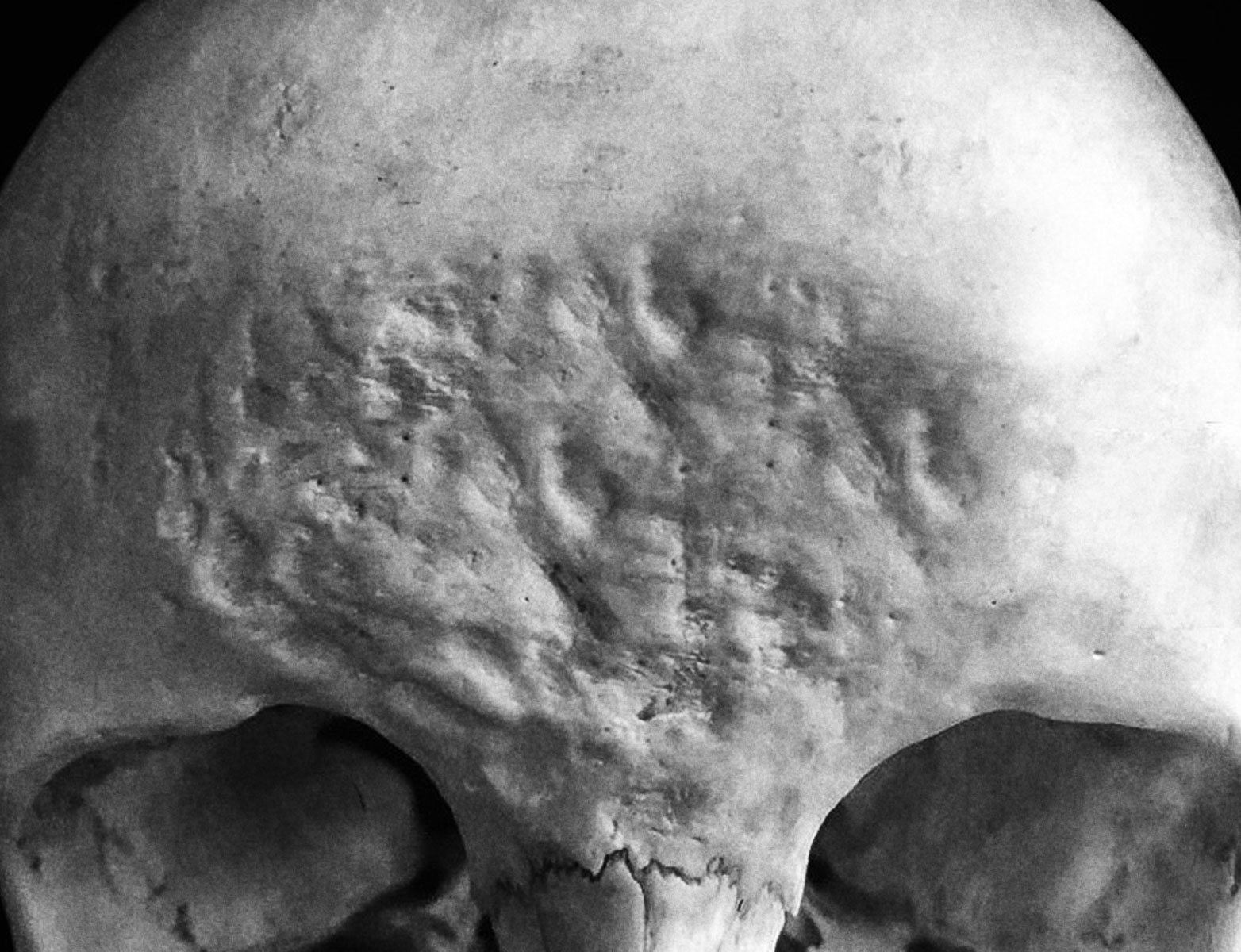
Beyond the teeth, the systemic picture of congenital syphilis is written in bone as well. Periostitis of the long bones, particularly the tibia, produces the bowing described as saber shins. The frontal bone of the skull develops the prominence sometimes called Olympian brow. The nasal cartilage is vulnerable to gummatous destruction, producing the saddle-nose deformity in severe cases. Cranial periostitis produces the striated, hair-on-end appearance of the outer skull surface that paleopathologists call caries sicca, a somewhat misleading name for what is actually a proliferative inflammatory response to spirochetal infection of the periosteum. The combination of dental and skeletal evidence in a single specimen allows a diagnosis of congenital syphilis with reasonable forensic confidence, independent of any written record, independent of any family history, and independent of any biological material beyond the calcium phosphate matrix of bones and teeth that time has chosen to preserve.
London, 1780 to 1880, as a Clinical Setting
The social history of syphilis in England during the 18th and 19th centuries is a subject that historians, epidemiologists, and social scientists have examined from various angles, generally finding the same things: rapid urbanization, inadequate housing, an economy that systematically underpaid women relative to men, sexual commerce as a structural consequence of those economic conditions, essentially no public health infrastructure for infectious disease management, and a cultural climate in which syphilis carried enough moral weight that infected individuals were powerfully motivated to conceal it rather than seek care. These conditions are not unique to England in that period, but England industrialized earlier and faster than most of continental Europe, which meant that the urban conditions favoring sexually transmitted infection transmission were present at larger scale, for longer, before any effective public health response existed.
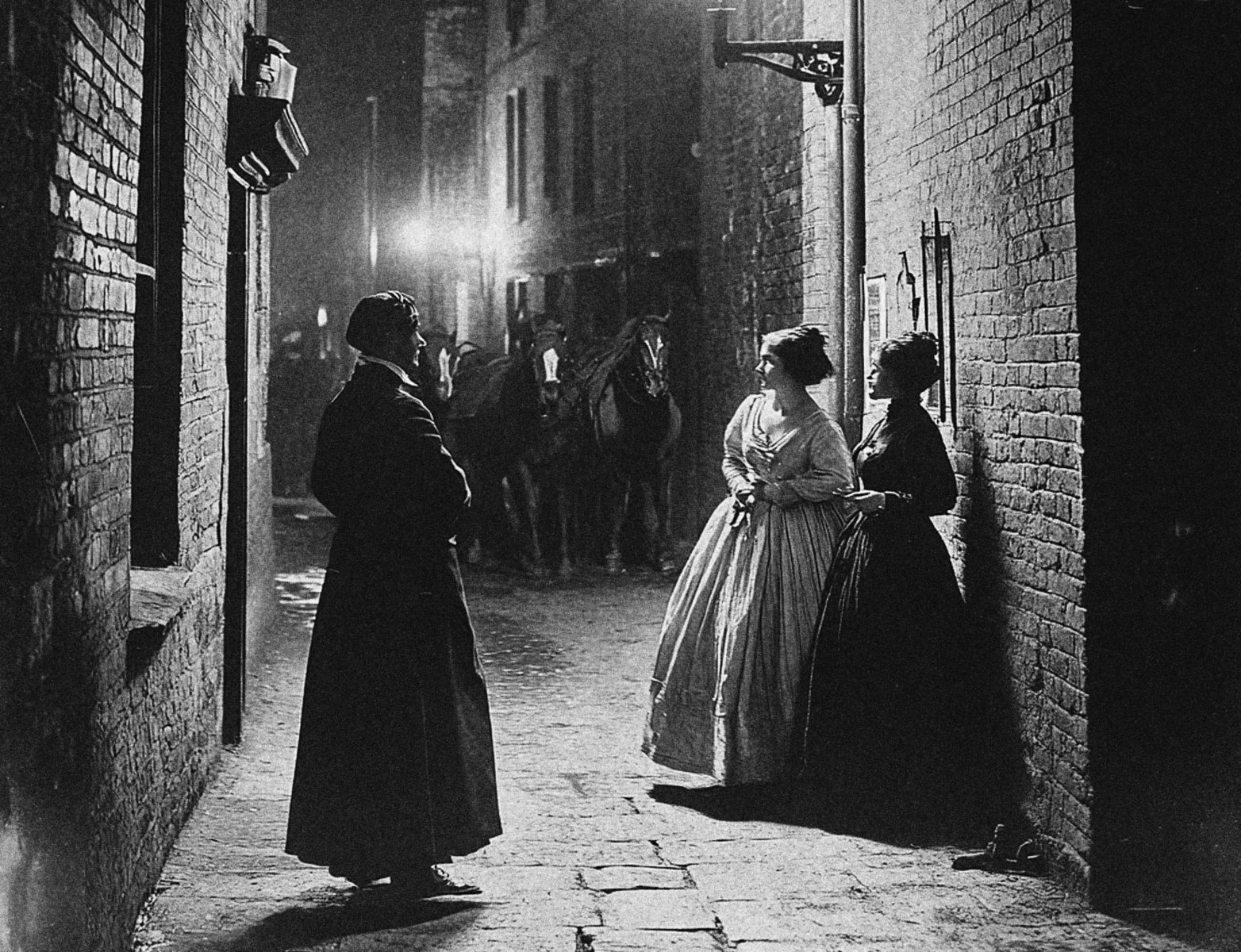
It is worth pausing on the economic mechanism, because it is the one that receives the least discussion in accounts that prefer the comfortable narrative of personal moral failure as the primary driver. Women in the working-class districts of London, Manchester, and Birmingham earned wages that could not sustain independent living. Housing required sharing with multiple other people. Factory work paid a fraction of what men received for equivalent physical labor. The routes out of this were limited, and some of them ran directly through the sexual economy that the Victorian public condemned loudly in print and patronized quietly in practice. The bacterium did not distinguish between patron and participant. It transmitted with impartial efficiency, and the vertical transmission to the next generation proceeded with the same impartiality. The skulls on my examination table are the biological record of an economic system producing a predictable medical outcome, not the record of individual moral failures scaled up to a population level.
The frequency with which Hutchinson's teeth appear in skeletal material from London-area archaeological contexts of this period is not incidental. They appear with sufficient regularity that they constitute an expected finding, not a noteworthy surprise, in museum and university collections drawn from 18th and 19th-century burial sites across the greater London area. The poverty of the working class produced the exposure. The stigma of the disease produced the concealment. The concealment produced the continuation into the next generation via vertical transmission. The next generation carried the evidence in their permanent teeth for the rest of their lives, and in some cases to the excavation tables of the 21st century.
The medical treatment available for syphilis through most of this period was mercury, administered by ingestion, inhalation of vapor, or topical application in formulations that practitioners varied freely and patients endured at considerable personal cost. There was a saying, by attribution to no one in particular and in circulation across multiple European languages, that described the bargain involved as “one night with Venus, a lifetime with Mercury.” The mercury treatment suppressed the spirochetemia of syphilis partially and temporarily, producing apparent clinical remission that gave practitioners reason to believe they were doing something useful. It also produced heavy metal toxicity with characteristic oral manifestations, including mercurial stomatitis and the erosive enamel damage that has been documented in early accounts of congenitally syphilitic children treated with mercury-based preparations in infancy, which sometimes added a second set of dental findings on top of the ones Hutchinson was interpreting. The history of 18th-century syphilis treatment is, in other words, the history of an era trying to solve a bacterial infection with a neurotoxin, achieving partial results, and regarding those partial results as evidence that the approach was broadly correct. This is not an exclusively historical phenomenon.
Where the Disease Came From: 500 Years of Arguing About Something Everyone Was Too Embarrassed to Name Directly
The question of whether syphilis was present in Europe before 1493 or arrived with Columbus's returning crews from the Americas has generated a quantity of academic literature that is in some tension with the medical importance of the answer for contemporary clinical practice. The Columbian hypothesis draws its primary support from the abruptness of the documented European epidemic of the late 15th and early 16th centuries: the disease that swept through the armies of Charles VIII during the Italian Campaign of 1494 to 1495 behaved like a novel pathogen encountering a naive host population, virulent in a way that later accounts do not describe. The alternative pre-Columbian hypothesis argues that syphilis existed in Europe but was misidentified under other diagnostic labels, particularly leprosy, and that the epidemic of 1495 reflects a change in virulence or a convergence of favorable social conditions rather than a pathogenic arrival (Harper, K.N., et al., 2011, The Origin and Antiquity of Syphilis Revisited, American Journal of Physical Anthropology, 146(S53), 99-133).
Ancient DNA analysis has begun to provide resolution that bone morphology alone cannot deliver. A 2020 study by Majander and colleagues analyzed ancient Treponema pallidum genomes from European skeletal material dating to the early modern period, finding evidence consistent with pre-Columbian circulation of treponemal bacteria in Europe, though the phylogenetic relationship between these strains and modern venereal syphilis remains an active area of investigation (Majander, K., et al., 2020, Ancient Bacterial Genomes Reveal a High Diversity of Treponema pallidum Strains in Early Modern Europe, Current Biology, 30(19), 3788-3803). The debate continues. What is not in dispute is that syphilis was endemic in European urban populations by the late 17th century, and that the conditions of industrializing England amplified it systematically through consecutive generations.
The 500-year debate itself has a somewhat ironic quality. Europeans spent centuries arguing about whether they had brought a catastrophic sexually transmitted infection from the Americas or had already been suffering from it domestically without recognizing it, and the argument was in large part conducted without anyone stating, in the literature of the period, the obvious social factors that would have governed its spread in either scenario. The bacterium operated without regard for which narrative was preferred. It infected, it transmitted vertically, it damaged developing teeth, and it waited for somebody to identify it and for somebody else to discover how to kill it.
The Road from Noticing to Curing
In 1905, Fritz Schaudinn, a German zoologist working with the dermatologist Erich Hoffmann, identified Treponema pallidum as the causative organism of syphilis using dark-field microscopy on material from a syphilitic lesion. Schaudinn died the following year in Hamburg, in June 1906, at 34 years old, without receiving the formal recognition his work merited, which is the kind of outcome that tends to produce the more acerbic footnotes in the history of science.
Paul Ehrlich, working at the Georg-Speyer-Haus in Frankfurt, had been systematically testing organometallic compounds for antimicrobial activity since 1907. The 606th compound tested in his laboratory, dioxydiamino-arsenobenzol dihydrochloride, proved effective against Treponema pallidum in animal models. Ehrlich and his colleague Sahachiro Hata published the results in 1910. The compound, marketed as Salvarsan and later as Neosalvarsan in a less toxic formulation, became the first specific chemotherapy for any bacterial infection in the history of medicine. It required intravenous administration, precise dosing, and careful clinical monitoring, because the therapeutic window between effective antimicrobial action and arsenic toxicity was narrow enough to require a competent practitioner rather than a confident one. It was also dramatically more effective than mercury, and its availability transformed the prognosis of syphilis for patients who could access it and afford it, which was far from universal.
The decisive development came in 1943, when John Mahoney and colleagues at the US Public Health Service demonstrated that penicillin, recently brought to clinical scale by the Oxford group, was effective against syphilis at doses producing no significant toxicity. A single course of penicillin clears primary or secondary infection completely. Congenital syphilis in a newborn diagnosed promptly and treated with aqueous crystalline penicillin G can be cured without long-term sequelae in the majority of cases. The dental deformity, established during fetal development in the enamel matrix that is laid down before any antibiotic can reach it, is permanent. But the systemic progression of the disease can be arrested. The teeth, in other words, are the record of a failure that occurred before birth, before any treatment could intervene. They are not a failure of treatment. They are a failure of prevention.
The Numbers That Describe a Contemporary Failure
In 2022, the World Health Organization estimated 8 million new syphilis infections globally among adults aged 15 to 49, and a global congenital syphilis case rate of 523 per 100,000 live births (WHO, 2022, Congenital Syphilis Case Rate, WHO Global Health Observatory). The Americas region reported the highest incidence overall, with a congenital syphilis rate nearly 10 times the WHO elimination target of 50 cases per 100,000 live births. In the United States, cases of congenital syphilis increased by 755% between 2012 and 2021, reaching 3,761 cases and 77.9 cases per 100,000 live births in 2022, with 231 stillbirths and 51 infant deaths in that single year (StatPearls, 2024, Congenital and Maternal Syphilis, NCBI Bookshelf). These are not statistics from a resource-limited setting without laboratory infrastructure or pharmaceutical supply chains. They are statistics from the wealthiest country in the world, with a bacterium that has not developed penicillin resistance, in a year when the cost of the treatment that would have prevented every one of those cases was lower in real terms than it had been in any previous decade.
In Germany, the Robert Koch-Institut reported 8,305 syphilis cases in 2022, representing a 23.1% increase compared to 2021 and a national incidence of 10.0 per 100,000 inhabitants, the highest absolute case count since mandatory reporting was introduced (Robert Koch-Institut, 2024, Syphilis in Deutschland in den Jahren 2020-2022, Epidemiologisches Bulletin, 7/2024). Congenital syphilis cases in Germany remained between 1 and 7 annually across the period 2001 to 2022, reflecting a prenatal screening system that, when applied consistently, eliminates the condition with high effectiveness. These numbers are the clearest possible demonstration that the disease is preventable where the infrastructure for prevention is maintained, and that the infrastructure itself is a choice rather than a given.
The prevention logic is, and has been since 1943, uncomplicated. Syphilis screening in pregnant women at the first prenatal visit, followed by immediate treatment of those who test positive with penicillin, prevents maternal-fetal transmission in the overwhelming majority of cases. The test costs a few euros or a few dollars. The treatment costs less than a restaurant meal. The disease is curable. The global rate of congenital syphilis is determined not by the biology of Treponema pallidum but by the distribution of prenatal care, and that distribution is a political and economic decision, not a medical necessity.
A Warning Before the Final Notch
The skull from the London excavation, the one with Hutchinson's teeth that opened this piece, dated from a period when nobody knew what caused syphilis, when the treatment was a heavy metal administered with imprecise enthusiasm, and when the stigma of the disease reliably prevented the people most at risk from acknowledging it. The system failed those people through ignorance, through inadequate medicine, and through a moral framework that treated infection as evidence of personal failure rather than as the predictable outcome of specific social conditions. This is a historical failure, in the sense that it occurred in the past, and understanding it requires contextualizing it within the knowledge and institutional capacity of its time.
When I look at the WHO statistics for 2022 and the US congenital syphilis data for the same year, the failure I am reading is structurally different from the one written in Victorian bone but not as different as the temporal distance suggests. The pathogen is the same. The transmission route is the same. The dental finding in a child born with the disease in 2022 is identical to the one I read in London. What has changed is that we have had a fully effective, fully safe, fully affordable preventive intervention for 80 years, and the system has still not delivered it consistently to every pregnant woman who needs it. The mechanisms of failure have evolved, from ignorance to infrastructure gaps to funding decisions to the persistent stigma that continues to prevent people from disclosing sexually transmitted infection diagnoses and accessing the prenatal care that would interrupt transmission. But the outcome, a child born with a preventable disease, carrying in their developing teeth the forensic record of a failure that occurred months before birth, is the same outcome.
The people who look at the 2022 congenital syphilis statistics and conclude that this represents an acceptable level of failure in a complex public health system may be right that the system is complex. They are wrong that the failure is acceptable. The tools exist. The knowledge exists. The obstacle is not biological. The obstacle is the gap between what the public health infrastructure is capable of delivering and what it is funded and directed to deliver to the populations at highest risk, and that gap is a policy choice, not a clinical inevitability.
What the Enamel Records and What We Choose to Learn From It
The forensic record of congenital syphilis, read from skeletal material across several centuries of English urban history, shows what happens when a bacterial infection circulates freely in a population with inadequate medical infrastructure, strong social stigma around the transmission route, and no specific therapeutic option available. The bone and enamel record of 2022 congenital syphilis shows what happens when those conditions persist in a modified form, with specific therapy available but incompletely deployed, stigma evolved but not eliminated, and infrastructure present in some places and absent in others. The Hutchinson's teeth in the Victorian skull and the Hutchinson's teeth in a child born in a region of the Americas with inadequate prenatal care last year were produced by the same mechanism, in the same developmental window, by the same organism. The difference between them is not biological. It is the 80-year interval during which a course of penicillin became available, remained affordable, and was not reliably administered to the right person at the right time.
The next piece on this site will examine the broader forensic anthropology of skeletal age estimation, specifically the pubic symphysis and what its morphology tells us about the decades between young adulthood and old age, which is a topic less contaminated by the frustration that congenital syphilis statistics tend to produce and correspondingly easier to discuss with equanimity. For those who would like to sit with the frustration a little longer, I recommend the WHO Global Health Observatory data, which is freely available, clearly presented, and genuinely instructive about the distance between medical capability and public health delivery in the early 21st century. The notch in the enamel is the same notch that Hutchinson drew attention to in 1858. The question it poses has not changed. Only the available answer has, and we have had it for 80 years.
References
- Harper, K.N., Fyumagwa, R.D., Hoare, R., Wambura, P.N., Coppenhaver, D.H., Sapolsky, R.M., & Armelagos, G.J. (2011). The origin and antiquity of syphilis revisited: An appraisal of Old World pre-Columbian evidence for treponemal infection. American Journal of Physical Anthropology, 146(S53), 99-133. https://doi.org/10.1002/ajpa.21613
- Hutchinson, J. (1858). Report on the effects of infantile syphilis in marring the development of the teeth. Transactions of the Pathological Society of London, 9, 449-456.
- Keuning, M.W., Kamp, G.A., Schonenberg-Meinema, D., Dorigo-Zetsma, J.W., van Zuiden, J.M., & Pajkrt, D. (2020). Congenital syphilis, the great imitator: Case report and review. Lancet Infectious Diseases, 20, e173-e179. https://doi.org/10.1016/S1473-3099(19)30482-2
- Majander, K., Pfrengle, S., Kocher, A., Neukamm, J., du Plessis, L., Pla-Díaz, M., Arora, N., Akül, G., Salo, K., Schats, R., Inskip, S., Oinonen, M., Valk, H., Malve, M., Kriiska, A., Onkamo, P., González-Candelas, F., Kühnert, D., Haak, W., & Schuenemann, V.J. (2020). Ancient bacterial genomes reveal a high diversity of Treponema pallidum strains in early modern Europe. Current Biology, 30(19), 3788-3803. https://doi.org/10.1016/j.cub.2020.07.058
- Robert Koch-Institut. (2024). Syphilis in Deutschland in den Jahren 2020-2022. Epidemiologisches Bulletin, 7/2024. https://edoc.rki.de/handle/176904/11494
- World Health Organization. (2022). Congenital syphilis case rate [Global Health Observatory Data]. https://data.who.int/dashboards/sti/congenital-syphilis
Disclaimer: This article reflects the author’s own research and opinion as of the publication date shown above; later findings or legal changes may have overtaken it, so always check that date. Sources are cited for independent verification, and no liability is accepted for third-party studies. This is general information, not medical, legal, or professional advice: for medical questions see a doctor, for legal questions a lawyer, and in an acute crisis contact emergency services or a crisis helpline.
About the header image: it is AI-generated. Cheaper than a photo shoot, and I have made my peace with the age of AI. Everything inside the article is real, the diagrams, the skulls, the findings, and every word. The machine gets the opening shot and not one inch past it.

What Is Radiocarbon Dating? Everything About the Method That Decides Between a Murder Case and an Archaeological Find
Radiocarbon dating measures remaining carbon-14 to determine when carbon exchange ended. This article explains the method from atmospheric…

Is It Legal to Own a Real Human Skull? Yes, Subject to 3 Conditions
Private possession of a real human skull is not prohibited in Germany. Three conditions decide the question, and…

The Science and Ethics of Age-Gap Attraction: Why Older Men Are Drawn to Younger Women, and Where the Line to Crime Runs
A forensic examiner lays out the evolutionary psychology and the data from 130 countries: the algorithm of age-gap…